MONORAIL HOIST SYSTEM in Jammu and Kashmir
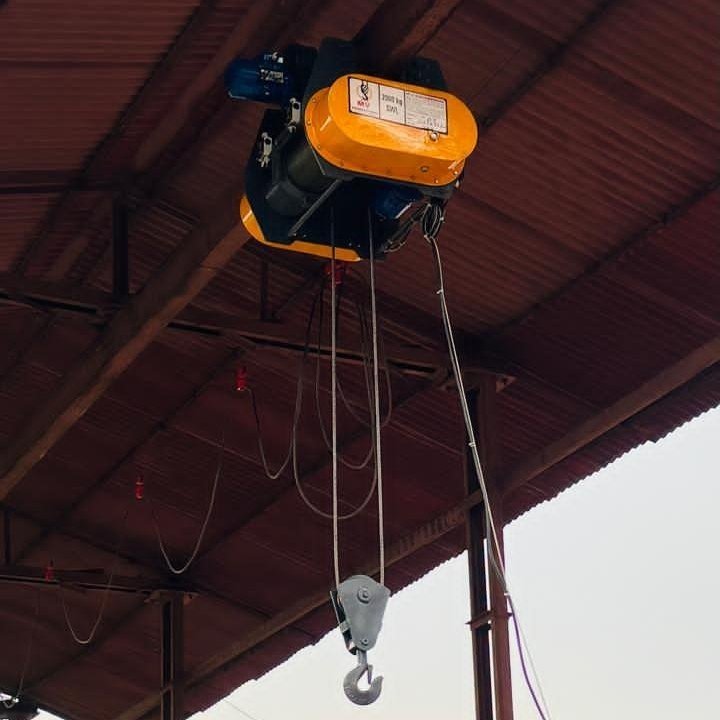
MONORAIL HOIST SYSTEM
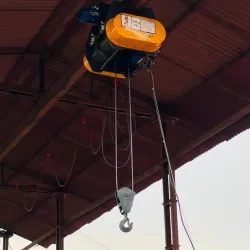
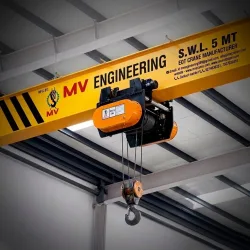
A monorail hoist system is a highly efficient, space-saving material handling solution featuring a hoist that travels along a single, fixed overhead track. Designed to facilitate linear or predetermined path transport, these systems are permanently mounted to a building's ceiling structures or supported by freestanding gantry frames. Because they lack the cross-travel bridges of EOT cranes, monorail systems offer a highly streamlined and cost-effective approach for production lines requiring repetitive, point-to-point material movement.
Monorail tracks can be custom-engineered to fit the exact layout of a facility, incorporating straight runs, precise curves, switches, and interlocking systems that allow the hoist to transition between different tracks. This makes them exceptionally versatile for assembly lines, paint booths, sandblasting chambers, and loading docks where floor space must remain completely unobstructed. They provide an optimal balance of continuous workflow integration, high operational speed, and minimal structural footprint for light to heavy capacities.
Monorail hoist systems represent a vital asset for optimizing manufacturing throughput, engineered specifically to streamline dedicated production routes and repetitive material handling tasks. The system's foundational element is a single structural I-beam, H-beam, or enclosed track layout that guides a motorized or manual trolley equipped with an electric hoist. By confining the travel path to a single overhead line, the system maximizes facility throughput along assembly lines, moving raw materials through successive processing stations without requiring human operators to maneuver heavy loads across open floors.
The architectural flexibility of a monorail system is its greatest engineering advantage. Unlike traditional overhead cranes that are restricted to rectangular bays, monorail tracks can be bent, curved, and branched using automated track switches and turntables. This allows a single hoist to navigate complex factory layouts, bypass structural columns, change directions, and even travel between separate buildings. Additionally, these systems can be integrated with vertical drop sections or lift stations, enabling multi-level material transport within a highly synchronized automated workflow.
From an installation and space-management perspective, monorail systems offer a uniquely non-intrusive footprint. Because the tracks are typically suspended directly from existing roof trusses or overhead structural steel, they eliminate the need for space-consuming floor columns and runway beams. This frees up the entire warehouse floor for machinery, inventory storage, and forklift pathways. For facilities with lighter roof structures, freestanding headers can be installed, which still require significantly less steel and floor disruption than full-scale bridge crane installations, translating to lower capital expenditures.
Safety, continuous duty cycles, and advanced automation are deeply embedded into modern monorail configurations. These systems can be fully automated using PLC systems and sensors to travel independently between stations, or manually controlled via ergonomic pendant controllers and wireless radio remotes. They are frequently equipped with electronic anti-collision sensors to prevent multiple hoists on the same track from making contact. Whether transport involves moving heavy automotive chassis through an assembly plant, transferring parts through an automated powder-coating line, or loading finished goods onto transport trucks, the monorail hoist system provides an enduring, safe, and highly reliable material handling framework.
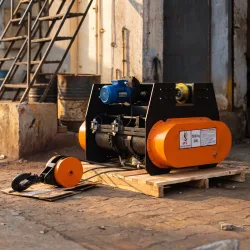
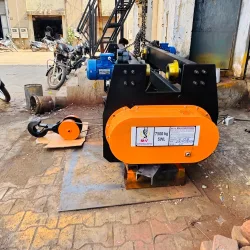
We are providing installation services of MONORAIL HOIST SYSTEM across India.
Select a city from Jammu and Kashmir to view the same product page for that location.